A Comprehensive Parents’ Guide to Understanding and Treating Headaches in Children
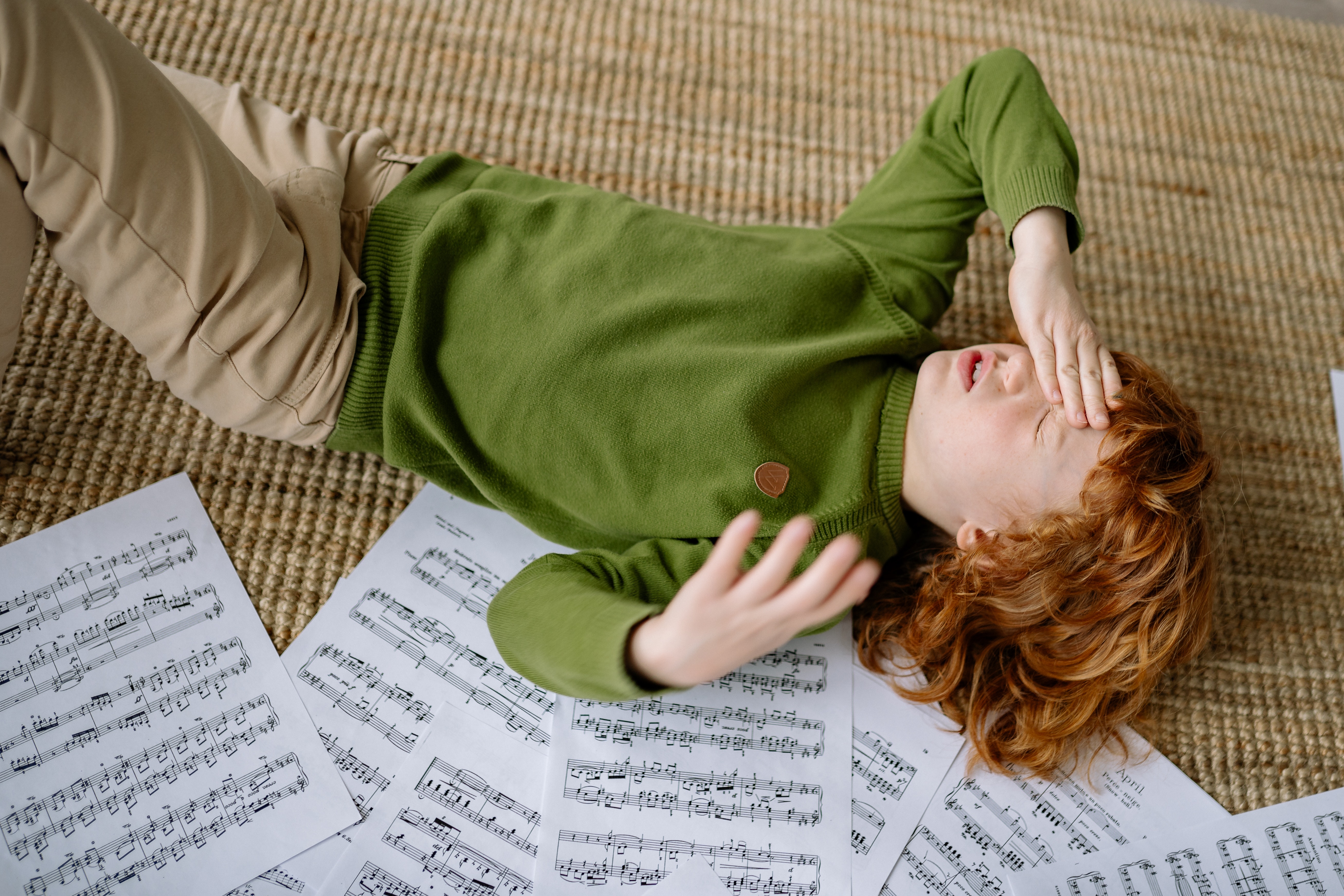
Headaches and head pain are not limited to adults and the elderly as some might believe. Modern medical statistics indicate that a very large segment of children, even those of primary school age, suffer from recurrent headache episodes. When a child holds their head and starts crying or suddenly stops playing due to pain, the mother is struck with anxiety and extreme fear, and questions arise as to whether this is a simple symptom or an indicator of a serious disease. In this comprehensive medical file, we will dive deep into the causes of headaches in children, differentiate between the various types, and explain when Contafever N is the optimal solution for treatment and prevention of complications.
Types of Headaches in Children and How to Differentiate Between Them
One of the common mistakes is treating the word “headache” as a description for a single disease. In reality, a headache is a symptom with multiple forms and types, and understanding the type of headache is halfway to the correct treatment.
Nervous and Muscular Tension Headache
This type is considered the most common among school children in Egypt. The child describes the pain here as if a tight band is wrapped around their entire head, or continuous pressure on the forehead and temples. This type is not usually accompanied by vomiting or nausea, and its cause is often academic stress, sitting in a wrong posture while studying, or staring for long periods at phone and television screens, causing spasms in the neck and scalp muscles. Here comes the role of muscle relaxant analgesics and anti-inflammatories like Contafever N to relieve this tension.
Migraines in Little Ones
Some mothers might be surprised, but migraines affect about seventy-five percent of teenagers and a significant percentage of younger children. Migraines in children differ from those in adults; the child may complain of abdominal pain and severe vomiting along with head pain that comes in the form of strong pulses on one or both sides. This type often has a genetic dimension, worsens with bright light or loud sounds, and the child needs rest in a dark room with a carefully calculated dose of Contafever N to control the attack at its onset.
Cluster and Chronic Headaches
This is a less common but very painful type, occurring in recurrent episodes focused around one eye, and may be accompanied by tearing in the eye or nasal congestion on the same side. As for chronic daily headaches, these are headaches that persist for more than fifteen days a month, often resulting from the overuse of painkillers or the presence of an ongoing organic problem that requires careful examination.
Pathological and Organic Causes of Headaches
In many cases, a headache is merely a warning bell the body rings to tell us there is inflammation or infection somewhere. Here, the role of Contafever N emerges not just as a painkiller, but as an anti-inflammatory against the cause of the pain.
Viral and Bacterial Infections
Colds and the flu are among the most famous causes of headaches in children. Viruses release chemicals in the body that cause a general feeling of body aches and a headache in the front of the head. Similarly, throat and tonsil infections cause pain that extends to the head. In these cases, Contafever N works with a dual mechanism: it lowers the fever accompanying the infection and relieves the headache pain resulting from the viral inflammation.
Acute Sinus Infections
Many children in Egypt suffer from sinus allergies, especially with the changing seasons and dust. When the sinuses become inflamed and fill with mucus, intense pressure is generated in the face, forehead, and under-eye area, causing a headache that increases when the child bends forward. This type of headache responds wonderfully to the Ibuprofen found in Contafever N because it reduces swelling in the nasal membranes and sinuses, thereby relieving both pressure and pain together.
Dental Problems and Ear Infections
The cause of the headache might be far from the brain entirely, lying in the mouth or ear. Deep tooth decay, gum abscesses, or otitis media (middle ear infection) all cause excruciating pain that spreads through the nerves, making the child feel a severe migraine-like headache. Since these causes are originally bacterial infections, using an anti-inflammatory like Contafever N alongside the antibiotic prescribed by the doctor is an essential part of the treatment plan to relieve pain until the inflammation heals.
Lifestyle Causes and Daily Habits
Not every headache is caused by a microbe; sometimes the child’s daily lifestyle is the prime suspect, requiring parental intervention to modify behavior alongside medication.
Dehydration and Lack of Water Intake
Children play for long hours and forget to drink water, especially in winter. A lack of fluids in the body leads to a decrease in blood volume and less oxygen reaching the brain, causing a distinctive headache in the front of the head that goes away once water is consumed and rest is taken.
Vision Problems and Eye Strain
With the spread of tablets and mobile phones, eye strain has become a major cause of headaches. If you notice your child complaining of a headache after returning from school or after watching TV, or brings books very close to their eyes, they may be suffering from undiagnosed nearsightedness or astigmatism. Medical glasses are the radical solution here, but until a diagnosis is made, Contafever N can be used to relieve temporary eye and head pain.
Hunger and Low Blood Sugar Levels
Skipping breakfast before going to school is a bad habit that causes a drop in blood glucose levels, which is the primary fuel for the brain. The brain translates this deficiency into the form of a headache, dizziness, and lack of focus. Regulating meals is the solution, and one should not rely solely on painkillers in this case without replenishing the body with necessary food.
Danger Signs and When to Go to the Hospital Immediately
Although the vast majority of headache cases in children result from benign and simple causes, there are red warning flags that must never be ignored, as they may indicate a serious health problem requiring urgent medical intervention.
Headache That Wakes the Child from Sleep
A headache severe enough to wake a child from deep sleep is considered a very worrying sign. Ordinary headaches usually go away with sleep and rest, whereas pain that interrupts sleep may indicate increased cerebrospinal fluid pressure or the presence of a tumor, God forbid. In this case, home painkillers should not be relied upon; instead, you must go to a neurologist immediately for necessary tests.
Stiff Neck and High Fever
If the child complains of a severe headache accompanied by a sudden rise in temperature, and the mother notices the child finds it extremely difficult to move their neck or touch their chin to their chest, these may be symptoms of meningitis. This inflammation affects the membranes surrounding the brain and spinal cord and is an extreme medical emergency requiring immediate hospitalization and appropriate treatment.
Headache After a Fall or Impact
Children often fall while playing and hit their heads on the ground or furniture. If a headache appears immediately after the accident, or hours later, and is accompanied by repeated vomiting, blurred vision, or a tendency towards drowsiness and a desire to sleep, this necessitates a CT scan to ensure there is no internal bleeding or concussion.
The Journey of Diagnosis and Accurate Medical Examination
When visiting a pediatrician or ophthalmologist to complain of recurrent headaches, the doctor will perform several routine checks to reach the real cause behind the pain.
Medical History and Important Questions
The doctor will ask when the headache started, its duration, and if it comes at specific times of the day such as early morning or after school. They will also ask about the family history of migraines, and whether the child suffers from sleep problems or psychological stress at school. Your accurate answers are the key to a proper diagnosis, so it is preferable to write down your notes before the visit.
Physical and Neurological Examination
The doctor will measure the child’s blood pressure, as high blood pressure is not limited to adults only. They will also examine the fundus of the eye to ensure the health of the optic nerve and the absence of pressure on it. The doctor may also ask the child to perform some simple movements to test balance, muscle strength, and reflexes, to ensure the integrity of the central nervous system.
Integrated Treatment Protocol and the Role of Contafever N
After excluding serious causes, the doctor begins to develop a treatment plan aimed at relieving pain and treating the root cause of the headache. Here, Contafever N plays a pivotal role in controlling symptoms and improving the childs quality of life.
Why Doctors Choose Contafever N for Headache Treatment
Contafever N relies on Ibuprofen, a substance that studies have proven superior in treating certain types of headaches compared to other painkillers.
First: In cases of sinus headaches and ear infections, Contafever N acts as a powerful anti-inflammatory, reducing the swelling and congestion that presses on the nerves and causes pain.
Second: In cases of muscular tension headaches, Ibuprofen helps in relieving the pain of tight muscles around the neck and head.
Third: Its long-acting effect that lasts for eight hours allows the child to sleep continuously and rest, which is considered an essential part of the treatment.
The Appropriate Dose for Treating a Headache Attack
To obtain the best result from Contafever N in treating headaches, it is recommended to give the dose as soon as the child begins to feel pain and not wait until the headache intensifies and becomes unbearable. The dose is calculated based on weight as mentioned previously, from 5 to 10 mg per kilogram. In cases of migraines, the doctor may recommend a slightly higher dose at the beginning of the attack to abort it before it develops, provided that the maximum daily limit allowed is not exceeded.
Complementary Non-Drug Treatment
Medication alone is not enough in some cases. A quiet and dark environment must be provided for the child to be able to relax. Placing cold compresses on the forehead or back of the neck helps in constricting blood vessels and relieving migraine pain. Also, gently massaging the neck and shoulder muscles helps in loosening the muscle spasms causing tension headaches.
Prevention and Lifestyle Changes to Reduce Attacks
Prevention is always better than cure, especially with recurrent headaches that affect the childs academic achievement and daily activity.
Regulating Sleep and Meals
Staying up late and lack of sleep are among the most important triggers for headaches in children. The child must be accustomed to a consistent sleep routine and sufficient hours of no less than eight hours a day. Also, breakfast must not be neglected, and small frequent meals should be eaten to keep the blood sugar level stable and avoid hunger headaches.
Reducing Triggers and Screens
The blue light emitted from phone and computer screens causes severe strain to the eye and brain. The time for using electronic devices must be determined and reduced as much as possible, especially two hours before bedtime. It is also advised to reduce the consumption of drinks containing caffeine such as soft drinks and tea, and to avoid preserved foods containing preservatives that may trigger migraine attacks in some children.
Diet and Headaches: A Hidden Relationship That Might Be Overlooked
Many mothers may not notice that the quality of food the child eats may be the main trigger for recurrent headache attacks, especially migraines.
Foods and Drinks to Avoid
There are natural or added chemical substances found in some foods that cause dilation in the blood vessels in the brain, leading to headaches. The most famous of these substances are nitrates found in processed meats such as luncheon, hot dogs, and pastrami, which many children rely on for school sandwiches. Also, tyramine found in aged cheese, Rumi cheese, and chocolate may be a strong cause of migraines in children who are genetically predisposed to it.
Caffeine: A Double-Edged Sword
Some children and teenagers get used to drinking soft drinks, tea, and coffee in large quantities. Caffeine itself may help in relieving headaches if taken in small medical quantities, but excessive use and then suddenly stopping causes what is called withdrawal headaches. Therefore, caffeine must be reduced gradually and replaced with natural juices and water to ensure the stability of the blood vessel condition in the brain.
The Psychological Factor and School Pressures
We cannot ignore the psychological aspect when talking about headaches in children, as the body and mind are closely linked to each other.
Escape Headaches and Anxiety
Sometimes, the child complains of a headache on school mornings only, and the pain disappears on holidays. This may be a strong indicator of a psychological problem such as exam anxiety, exposure to bullying from peers, or fear of a certain teacher. Here, the headache is not just a claim, but it is real pain resulting from psychological tension that turns into physical symptoms. Treating this condition requires a calm dialogue with the child and containment of their feelings, alongside using a mild painkiller when necessary such as Contafever N to break the pain barrier and enable the child to calm down.
Masked Depression in Children
Depression in children may appear in the form of unexplained physical symptoms, headed by chronic headaches and abdominal pain. If the headache continues for long periods without an obvious organic cause, and is accompanied by social isolation, academic decline, or loss of appetite, the child must be presented to a psychological specialist to evaluate their condition, because treating the psychological cause is the only way to stop the physical pain.
Common Questions About Headaches in Children
Is medical glasses always the magic solution?
Many mothers believe that any complaint of a headache necessarily means weakness in vision, so they rush to make medical glasses. The truth is that vision problems are only one cause among dozens of causes. If the ophthalmologist examines the child and confirms the safety of their vision, there is no need to insist on wearing glasses, and other causes must be sought, such as sinus infections or tension headaches resulting from an incorrect sitting position.
Is headache a hereditary disease passed from parents?
Yes, especially in the case of migraines. If one of the parents suffers from recurrent migraine attacks, the probability of the child being affected by the same type of headache increases significantly, reaching up to fifty percent. Knowing the family history helps the doctor a lot in rapid diagnosis and prescribing the appropriate treatment, which often includes powerful and safe painkillers like Contafever N to control attacks at their onset.
When does the child return to school after a headache attack?
Once the pain disappears and the child returns to their normal activity and their ability to tolerate light and sound, they can return to school. But it is preferable to send a note to the school explaining the childs condition, especially if they suffer from migraines, to allow them to rest in the health visitors room if the pain returns, and to give them the prescribed dose of painkiller when needed.
Conclusion
In concluding this comprehensive guide, we would like to emphasize that headaches in children are a common symptom but require attention and understanding from parents. Not every pain in the head needs an antibiotic, and not every headache needs glasses. Proper diagnosis begins with the mothers careful observation of the timing of the headache, the location of the pain, and the accompanying symptoms. In the treatment journey, Contafever N remains a distinguished medical choice thanks to its active ingredient that combines pain relief, fever reduction, and inflammation treatment, making it a safe companion in the home pharmacy for dealing with sudden headache attacks.